
Did you know nearly 1 in 5 Americans lack health insurance or have inadequate coverage? This leaves them exposed to financial disaster in case of a sudden medical crisis. The right insurance is a vital shield against such financial storms.
Choosing the best insurance coverage requires understanding your specific needs. It’s about picking a policy that offers enough protection. This not only secures your finances but also brings peace of mind, knowing you’re ready for life’s surprises.

With numerous options out there, it’s critical to assess each carefully. This ensures you find the most comprehensive coverage that aligns with your circumstances.
Key Takeaways
- Understanding your insurance needs is key to financial security.
- The right insurance coverage can shield you from financial shocks.
- It’s vital to evaluate your options thoroughly to find the best policy.
- Comprehensive coverage offers peace of mind and financial safety.
- Being underinsured or uninsured poses significant financial risks.
Understanding Insurance Coverage Fundamentals
Grasping the basics of insurance coverage is key to making smart financial decisions. It’s not just a product; it’s a vital part of a solid financial plan.
What Is Insurance Coverage?
Insurance coverage offers protection against specific risks or losses. It aims to lessen the financial hit from unexpected events.
Definition and Basic Principles
Insurance coverage is rooted in the idea of shared risk. It pools the risks of many individuals or entities. This way, financial losses are spread out, easing the burden on any one person.
How Coverage Protects You Financially
Insurance coverage financially shields you by covering losses or damages from covered events. This support helps you bounce back from financial setbacks, keeping your financial plans on track.
Why Proper Coverage Matters
Having the right insurance coverage is essential for financial stability. Without it, you could face significant financial hardship when you need it most.
Real-Life Scenarios of Inadequate Coverage
Imagine a homeowner without enough coverage for their property. If a disaster hits, repair or rebuilding costs could exceed their coverage, leaving them financially exposed.
Long-Term Financial Security Benefits
Proper insurance coverage offers immediate financial aid and long-term financial security. It shields you from major losses, ensuring financial stability over time.
Common Coverage Terminology
Knowing insurance policy terms is critical for making informed choices. Key terms include premiums, deductibles, limits, and exclusions.
Premiums, Deductibles, and Limits Explained
Premiums are the payments for coverage. Deductibles are what you pay before insurance kicks in. Limits are the max an insurer pays for a covered loss.
Understanding Policy Exclusions
Policy exclusions are events or circumstances not covered by the policy. Knowing these is essential to avoid surprises when filing a claim.
| Term | Definition | Impact on Coverage |
| Premiums | Regular payments to maintain insurance coverage | Affects the cost of maintaining coverage |
| Deductibles | Amount paid before insurance coverage applies | Influences out-of-pocket expenses |
| Limits | Maximum amount paid by the insurer for a covered loss | Determines the maximum financial protection |
Assessing Your Personal Coverage Needs
Evaluating your coverage needs is key to making informed insurance decisions. It involves understanding your assets, risks, and life stage. This helps determine the right coverage types and coverage limits for you.
Evaluating Your Assets and Risks
To assess your coverage needs, start by evaluating your assets and risks. Create an inventory of your valuables and identify your risk exposures.
Creating an Inventory of Valuables
Make a list of your valuable possessions, including their estimated value. This includes homes, cars, jewelry, and other significant assets. An accurate inventory helps determine the right coverage amount.
Identifying Your Risk Exposures
Consider the risks that could affect your assets, such as natural disasters, theft, or accidents. Understanding these risks is key to selecting the right coverage.
Life Stage Considerations
Your life stage significantly impacts your coverage needs. Different stages, like being single or having a family, require different coverage types.
Coverage Needs for Singles vs. Families
Singles typically need less coverage than families. Families need coverage for all members, including children, and may require additional coverage for dependents.
Adjusting Coverage Through Major Life Events
Major life events, like marriage, having children, or buying a new home, require reviewing your coverage. Adjusting your coverage ensures you remain adequately protected.
Creating a Coverage Checklist
A coverage checklist helps organize your insurance needs. It should include essential coverage types and any specialized coverage needed for unique situations.
Essential Coverage Types for Everyone
Certain coverage types, such as health, auto, and home insurance, are essential for most. These coverages provide foundational protection against common risks.
Specialized Coverage for Unique Situations
Some individuals may need specialized coverage, like flood insurance or coverage for high-value items. Identifying these needs is essential for complete protection.
Types of Insurance Coverage Available
The insurance landscape offers a wide array of coverage options, each designed to protect against specific risks. Understanding these options is key to selecting the right insurance plans that meet your needs.
Health Insurance Coverage Options
Health insurance is a vital component of a complete insurance portfolio. It offers financial protection against medical expenses. This ensures you receive necessary care without significant financial hardship.
HMOs, PPOs, and High-Deductible Plans
Health insurance plans vary, including HMOs (Health Maintenance Organizations), PPOs (Preferred Provider Organizations), and high-deductible plans. HMOs require care from a specific network of providers. PPOs offer more flexibility in choosing healthcare providers. High-deductible plans have lower premiums but higher deductibles.
Supplemental Health Coverage Considerations
Supplemental health insurance provides additional coverage for specific needs, such as dental, vision, or disability insurance. These plans help fill gaps in your primary health insurance coverage.

Auto Insurance Coverage Types
Auto insurance is mandatory in most states and provides financial protection in the event of an accident or theft. There are several types of auto insurance coverage, each serving a different purpose.
Liability, Collision, and Comprehensives Coverage
Liability coverage pays for damages to others in an accident, while collision coverage covers damages to your vehicle. Comprehensive coverage protects against non-accident damages, such as theft or natural disasters.
Uninsured/Underinsured Motorist Protection
This coverage protects you if you’re involved in an accident with someone who doesn’t have insurance or doesn’t have enough insurance to cover the damages.
Home and Property Coverage
Homeowners and renters insurance provide protection for your property and personal belongings against various risks, including theft and damage.
Homeowners vs. Renters Insurance
Homeowners insurance covers both the structure of your home and your personal belongings, while renters insurance covers your personal belongings within a rented property.
Special Coverage for Natural Disasters
Depending on your location, you may need additional coverage for natural disasters such as floods or earthquakes. These policies can provide critical protection against specific risks.
Life Insurance Coverage Plans
Life insurance provides financial security for your loved ones in the event of your passing. There are different types of life insurance policies, each with its own benefits.
Term vs. Permanent Life Insurance
Term life insurance provides coverage for a specified period, while permanent life insurance covers you for your entire life, often with a cash value component.
Determining Appropriate Coverage Amounts
The amount of life insurance coverage you need depends on various factors, including your income, debts, and the number of dependents you have.
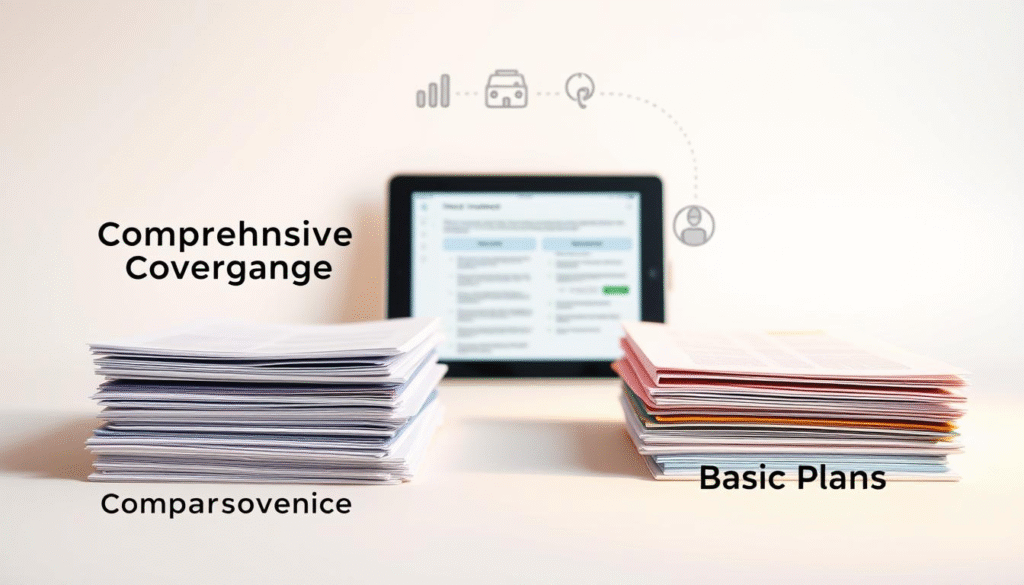
Comprehensive Coverage vs. Basic Plans
Understanding the difference between comprehensive coverage and basic plans is key to making informed insurance decisions. The coverage you choose can greatly affect your financial security in unexpected situations.
Defining Comprehensive Coverage
Comprehensive coverage offers extensive protection against a wide range of risks. It’s designed to provide financial help in various situations, ensuring you’re covered in emergencies.
What Makes Coverage “Comprehensive”
A plan is considered comprehensive if it covers multiple risks. It often includes extra benefits like roadside assistance or rental car coverage.
Industries and Situations Requiring Full Coverage
Healthcare and transportation industries often need full coverage due to high risks. People with significant assets also benefit from it to protect their wealth.
When Basic Coverage Is Sufficient
Basic coverage plans offer minimal protection but are more affordable. They’re ideal for those with limited assets or seeking a budget-friendly option.
Minimalist Approach to Insurance
Choosing the minimum coverage required by law or for basic needs is a minimalist approach. It’s good for those on a tight budget.
Building a Basic Coverage Foundation
Building a basic coverage foundation means identifying essential risks and selecting a plan that meets those needs without extra costs.
Cost-Benefit Analysis of Coverage Levels
It’s important to do a cost-benefit analysis to choose the right coverage level. This involves comparing the costs of premiums to the benefits of having more coverage.
Calculating the Value of Additional Coverage
To value additional coverage, consider the risks and financial losses without it. Compare these to the extra premium costs.
When to Upgrade Your Coverage Plans
Upgrading your coverage is wise when your financial situation changes, like acquiring more assets or a change in income. Regularly reviewing your coverage needs ensures you’re adequately protected.
How to Compare Coverage Options Effectively
To effectively compare coverage options, it’s essential to understand your needs and the available plans. This knowledge allows you to make informed decisions that meet your personal or business requirements.
Key Factors to Consider When Comparing Plans
Several key factors are important when comparing coverage plans. These include coverage limits, premium costs, and the reputation of the insurance provider.
Coverage Limits and Exclusions
It’s vital to understand what is covered and what is excluded. Coverage limits determine the maximum amount an insurer will pay for a claim.
Premium Costs vs. Out-of-Pocket Expenses
It’s important to balance premium costs with out-of-pocket expenses. Higher premiums might mean lower out-of-pocket costs, but this isn’t always the case.
Company Reputation and Financial Stability
The financial stability and reputation of the insurance company are critical. A company with a strong financial backbone is more likely to fulfill its obligations.
Using Online Comparison Tools
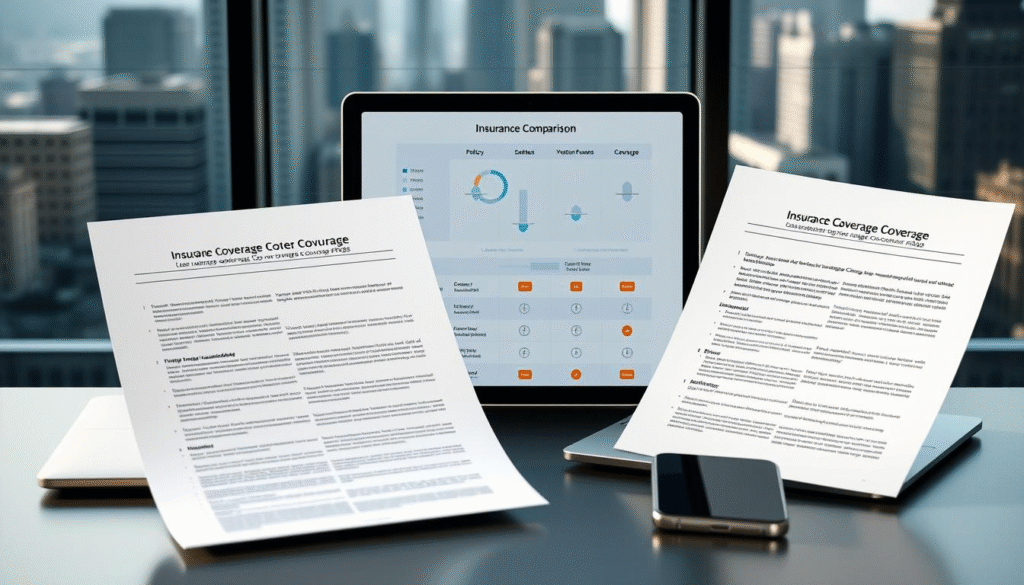
Online comparison tools can simplify the process of evaluating different coverage options. These tools provide a side-by-side comparison of various plans.
Recommended Coverage Comparison Websites
Several websites offer comparison tools, such as Policygenius and Bankrate. These platforms allow you to compare multiple insurance plans.
How to Interpret Comparison Results
When interpreting comparison results, look beyond the premium costs. Consider the coverage details, deductibles, and any exclusions.
Reading the Fine Print in Coverage Details
It’s essential to read the fine print when reviewing coverage details. This includes understanding policy provisions and being aware of any red flags.
Critical Policy Provisions to Examine
Policy provisions such as grace periods, renewal terms, and cancellation policies are important. Understanding these can prevent unexpected issues.
Red Flags in Coverage Agreements
Be cautious of overly complex policies or those with numerous exclusions. These can be indicative of a poorly structured coverage plan.
| Comparison Factor | Plan A | Plan B |
| Premium Cost | $500/year | $600/year |
| Coverage Limit | $100,000 | $150,000 |
| Deductible | $1,000 | $500 |
Maximizing Your Coverage Benefits
Enhancing your financial security and peace of mind is achievable by maximizing your coverage benefits. Understanding how to optimize your insurance coverage ensures you’re well-protected against various risks.

Bundling Insurance Policies
Bundling insurance policies is a simple way to boost your coverage benefits. Purchasing multiple policies from one insurer can lead to discounts and simplify management.
Multi-Policy Discount Opportunities
Many insurers offer multi-policy discounts for bundling. For instance, combining home and auto insurance can save a lot. Always ask about discounts when considering bundling.
When Bundling May Not Be Beneficial
Bundling isn’t always the best choice. Separate policies from different providers might offer better coverage or rates. Always compare options before deciding.
Taking Advantage of Discounts and Incentives
There are many discounts and incentives to maximize your coverage benefits. Insurance companies provide various discounts for different reasons.
Common Discounts You May Qualify For
Some common discounts include:
- Safe driver discounts
- Good student discounts
- Military discounts
- Senior discounts
Loyalty Programs and Coverage Perks
Many insurers have loyalty programs for long-term customers. These programs offer additional discounts or perks, such as accident forgiveness or deductible reductions.
Regularly Reviewing Your Coverage Needs
Regularly reviewing your insurance needs is vital to maintain maximum coverage benefits. Life changes, like moving or having children, can alter your insurance needs.
Annual Coverage Checkup Process
An annual coverage checkup helps identify coverage gaps and make adjustments. This involves reviewing current policies, assessing needs, and comparing options.
When to Increase or Decrease Coverage Limits
Adjust your coverage limits based on life changes. For example, acquiring new assets may require increasing coverage limits to adequately protect them.
Common Coverage Mistakes to Avoid
Understanding and avoiding common insurance coverage mistakes can save you from significant financial loss in the future. Insurance is a critical component of a sound financial plan, providing protection against unforeseen events. Yet, many individuals make avoidable errors when selecting insurance coverage. These errors can lead to inadequate protection and financial strain.
Underinsuring Your Assets
One of the most significant mistakes is underinsuring your assets. This occurs when the coverage limits are too low to cover the actual value of your assets. As a result, you are left financially exposed in the event of a claim.
The Dangers of Coverage Gaps
Coverage gaps happen when there are discrepancies between what you think is covered and what actually is. This can lead to unpleasant surprises when you need to file a claim. It’s essential to ensure you understand the scope of your insurance coverage.
How to Properly Value Items for Insurance
To avoid underinsuring, it’s essential to accurately value your assets. This involves keeping an up-to-date inventory and understanding the replacement cost of your possessions. Regularly reviewing and adjusting your coverage limits can help prevent underinsurance.
Overlooking Important Coverage Options
Many people overlook critical insurance coverage options, either due to lack of awareness or assuming they are not necessary. Certain coverage types can be vital depending on your circumstances.
Often-Forgotten Coverage Types
Types such as flood insurance, cyber insurance, or umbrella insurance are often overlooked. These can provide essential protection against specific risks that standard policies may not cover. It’s vital to assess your personal risks and consider if additional coverage is needed.
Emerging Risks Requiring New Coverage
As new risks emerge, such as those related to technology or environmental changes, it’s essential to stay informed about new insurance coverage options. These can protect against emerging threats.
Paying for Unnecessary Coverage
On the flip side, some individuals end up paying for coverage they don’t need. This can unnecessarily inflate insurance costs without providing additional benefits.
Identifying Redundant Coverage
Reviewing your policies to identify any redundant coverage is essential. This involves understanding what each policy covers and eliminating any duplication.
Streamlining Your Coverage Portfolio
Streamlining your insurance portfolio can help reduce costs and simplify management. This might involve consolidating policies or dropping coverage that no longer serves a purpose.
Working with Insurance Professionals
Insurance professionals are key in securing the right coverage for individuals. Their expertise helps navigate insurance complexities, ensuring clients get comprehensive coverage that meets their needs.
Benefits of Using an Insurance Agent or Broker
Insurance agents and brokers bring extensive knowledge and experience. They help clients make informed decisions about their coverage plans. They provide insights into various insurance products, aiding in choosing the best options.
Independent vs. Captive Agents
Independent agents represent multiple insurance companies, providing a wide range of options. Captive agents work exclusively with one insurer. Understanding this difference helps clients choose the right agent for their needs.
How Professionals Can Customize Your Coverage
Insurance professionals assess individual needs and customize coverage plans. This personalized approach ensures clients are not over-insured or under-insured.
Questions to Ask When Discussing Coverage
When consulting with insurance professionals, it’s vital to ask the right questions. This ensures you receive the most appropriate coverage. Ask about coverage adequacy and understand the cost and claims process.
Coverage Adequacy Questions
Clients should ask questions like “What does the policy cover?” and “Are there any exclusions?” to understand coverage adequacy.
Cost and Claims Process Inquiries
Understanding premium costs and the claims process is essential. Clients should inquire about any additional fees and the typical timeframe for claim resolution.
When to Seek a Second Opinion
Seeking a second opinion from another insurance professional is advisable in certain situations. This is useful if current coverage advice seems inadequate or if you’re unsure about recommendations.
Signs Your Current Coverage Advice Is Inadequate
Signs of inadequate coverage advice include feeling uncertain about coverage details. Also, if coverage does not align with your changing needs.
Finding Specialized Coverage Experts
For complex or specialized insurance needs, finding experts is beneficial. Experts who focus on specific areas, such as high-risk clients or unique assets, provide more tailored advice.
| Insurance Professional Type | Benefits | Considerations |
| Independent Agent | Offers multiple insurance options, potentially better rates | May have varying levels of expertise across different insurers |
| Captive Agent | Deep knowledge of a single insurer’s products, potentially streamlined service | Limited to the products of one insurance company |
| Broker | Acts on behalf of the client, often with access to a wide range of insurers | May charge fees for their services |
Conclusion
Reviewing the essentials of insurance coverage reveals the importance of making informed decisions. This article has covered the basics of insurance, evaluated personal needs, and looked at different types of insurance. It’s clear that understanding these aspects is key.
It’s vital to grasp the differences between full coverage and basic plans. By comparing options and avoiding common pitfalls, individuals can enhance their benefits. This approach ensures they get the most out of their insurance.
Seeking advice from insurance professionals can offer valuable insights. Below is a table summarizing key points to consider when choosing insurance coverage.
| Type of Insurance | Key Considerations |
| Health Insurance | Coverage level, deductible, network providers |
| Auto Insurance | Liability limits, full coverage, collision coverage |
| Home Insurance | Coverage for dwelling, personal property, liability |
In conclusion, finding the right insurance is a complex task. It demands a thorough look at various factors. By understanding your needs and exploring options, you can protect your assets and well-being effectively.
Sources
For more information on insurance coverage details, you can refer to the following reliable sources:
- Insurance.com – A go-to for insurance information and coverage details.
- National Association of Insurance Commissioners – Offers insights on insurance regulations and coverage options.
- Consumer Reports – Provides unbiased reviews and information on insurance coverage details.
These sources offer valuable insights into insurance coverage. They help you make informed decisions about your insurance needs.
FAQ
What is the importance of having the right insurance coverage?
The right insurance coverage offers financial security and peace of mind. It protects against unexpected events and losses. This ensures your assets and well-being are well-protected.
How do I assess my personal coverage needs?
Assess your personal coverage needs by evaluating your assets and risks. Consider your life stage and create a coverage checklist. This will help you determine the right amount and type of coverage for your situation.
What are the different types of insurance coverage available?
There are several types of insurance coverage available. These include health, auto, home, and life insurance. Each offers various plans and coverage types to meet different needs and circumstances.
What is the difference between basic and extended coverage?
Basic coverage provides minimum protection, while extended coverage offers more extensive financial protection. Extended coverage is necessary for new vehicles or valuable assets.
How can I compare coverage options effectively?
To compare coverage options effectively, focus on key factors like coverage limits, deductibles, and exclusions. Use online comparison tools and carefully read the fine print in coverage details.
What are some common mistakes to avoid when it comes to insurance coverage?
Avoid underinsuring your assets and overlooking important coverage options. Also, avoid paying for unnecessary coverage. Being aware of these pitfalls can help you make informed decisions.
How can I maximize my coverage benefits?
Maximize your coverage benefits by bundling insurance policies and taking advantage of discounts and incentives. Regularly review your coverage needs to ensure you have the right level of protection.
What are the benefits of working with insurance professionals?
Working with insurance professionals offers valuable guidance and helps navigate complex coverage options. They ensure you get the best coverage for your needs.
How often should I review my insurance coverage?
Review your insurance coverage regularly, such as annually or when significant life changes occur. This ensures your coverage remains aligned with your needs and circumstances.