
For businesses forming LLCs or corporations, hiring a registered agent is a critical step. The annual cost can be a significant consideration, with prices ranging from $50 to $300.

This cost variation is largely due to the differences in services provided by registered agents and state requirements. Understanding these factors is essential to making an informed decision.
Key Takeaways
- The cost of hiring a registered agent can vary significantly.
- Annual costs typically range from $50 to $300.
- Services provided by registered agents and state requirements impact the cost.
- Businesses forming LLCs or corporations should consider this cost.
- Understanding the factors that influence the cost can help businesses make informed decisions.
Understanding Registered Agents and Their Role
The role of a registered agent is critical for ensuring businesses adhere to state laws. They are responsible for accepting legal documents on behalf of a business. This ensures that critical notices and lawsuits are addressed promptly.
What Is a Registered Agent?
A registered agent, also known as a resident agent or statutory agent, is appointed by a business. They receive service of process, legal documents, and other important notices from the state. Businesses must have a registered agent with a physical address within the state. This is to ensure they can be reached with legal documents and official communications.
Legal Requirements for Registered Agents
Legal requirements for registered agents differ by state. Generally, they must have a physical address in the state where the business is registered. They must be available during normal business hours to receive documents. Some states also require registered agents to be authorized to do business in the state.
Why Businesses Need Registered Agents
Businesses require registered agents to receive important legal documents and comply with state regulations. Without a registered agent, businesses face penalties and fines. A registered agent also offers privacy by not using the business owner’s personal address for official business.
| Aspect | With Registered Agent | Without Registered Agent |
| Legal Compliance | Ensures receipt of legal documents | Risk of missing critical documents |
| Privacy | Protects business owner’s personal address | Exposes business owner’s personal address |
| Penalties | Reduces risk of non-compliance penalties | Increases risk of fines and penalties |
Average Cost of Hiring a Registered Agent
The cost of hiring a registered agent is a key factor for businesses of all sizes. Understanding the average costs and what affects them is vital when budgeting for this service.
Typical Price Ranges for Individuals
Individuals can expect to pay between $50 to $150 annually for a registered agent. The cost varies based on the service level. Basic services include receiving important documents and notifications. More advanced packages may include document forwarding and compliance management.
Typical Price Ranges for Companies
Companies typically spend between $100 to $300 annually on registered agent services. The price can change based on the provider’s reputation, service complexity, and any extra features. This includes compliance support or annual report filing.
Cost Variations by State
The cost of hiring a registered agent also varies by state. This is due to different state requirements and fees. For example, states like Delaware and Wyoming offer business-friendly environments but have unique pricing for registered agent services.
When choosing a registered agent, businesses should look beyond the cost. Consider the service quality, provider reputation, and any extra features. This approach ensures they get the most value for their money.
How Much Does It Cost to Hire a Registered Agent? Detailed Breakdown
The cost of hiring a registered agent can vary significantly based on the services required. Registered agent services often offer different packages to cater to various business needs.
Basic Service Packages ($50-$150/year)
Basic service packages include essential services like receiving and forwarding legal documents. They also maintain compliance records and provide annual reports. These packages are ideal for small businesses or startups with straightforward compliance needs. The cost for these services usually ranges from $50 to $150 per year.
Premium Service Packages ($150-$300/year)
Premium service packages offer additional features beyond the basic services. They include expedited document processing, additional compliance support, and enhanced customer service. Businesses with complex compliance requirements or those operating in multiple states may benefit from these premium services. They typically cost between $150 and $300 per year.
Additional Fees to Consider
Beyond the basic and premium service packages, there are additional fees that businesses should be aware of. These include document processing fees and expedited service fees.
Document Processing Fees
Document processing fees are charges applied when the registered agent processes legal documents on behalf of the business. These fees can vary depending on the type and number of documents processed.
Expedited Service Fees
Expedited service fees are incurred when businesses require urgent processing of documents. This service ensures that documents are processed quickly, often within 24 hours.
| Service Type | Cost Range | Description |
| Basic Service | $50-$150/year | Essential services for receiving and forwarding legal documents |
| Premium Service | $150-$300/year | Additional features including expedited document processing and enhanced compliance support |
| Document Processing | Variable | Fees for processing legal documents on behalf of the business |
| Expedited Service | Variable | Urgent processing of documents, often within 24 hours |
Factors That Influence Registered Agent Costs
The cost of hiring a registered agent is influenced by several key factors. Understanding these factors can help businesses anticipate and budget for the costs associated with registered agent services.
Business Entity Type
The type of business entity is a significant factor in determining registered agent costs. Different entities have different requirements and complexities.
LLCs vs. Corporations
LLCs (Limited Liability Companies) and corporations have different compliance requirements. Corporations often require more complex services, potentially increasing costs. For instance, corporations may need to file additional documents or comply with stricter regulations, which can impact the overall cost.
Nonprofits and Special Entities
Nonprofit organizations and other special entities may have unique requirements that affect pricing. These entities often need specialized services, such as compliance with specific state regulations or handling of particular legal documents.
State-Specific Requirements
State-specific requirements play a critical role in determining registered agent costs. Different states have varying regulations and filing fees, which can significantly impact the overall cost. For example, some states may require more frequent filings or have stricter compliance standards.

Volume of Legal Documents
The volume of legal documents that a registered agent needs to handle can also influence costs. Businesses with a higher volume of documents, such as those with multiple entities or complex legal structures, may incur higher costs due to the increased workload and complexity.
DIY vs. Professional Registered Agent Services: Cost Comparison
Businesses face a critical decision: should they manage their own registered agent or hire a professional? This choice impacts their financial health, requiring a thorough analysis of both options.
Acting as Your Own Registered Agent
Choosing to be your own registered agent can cut down on registered agent charges. Many businesses opt for this route to save money. Yet, it demands a lot of time and dedication to stay compliant with state laws.
Hidden Costs of Self-Representation
While being your own registered agent might seem budget-friendly at first, there are hidden costs to consider. These include the risk of missing critical legal documents and the chance of violating state laws. Such violations can lead to fines or penalties.
Legal experts warn that neglecting to receive and respond to legal documents promptly can severely harm a business. This can result in default judgments and damage to the company’s reputation.
“The role of a registered agent is not just about receiving documents; it’s about ensuring that businesses are legally compliant and protected.”
When DIY Makes Financial Sense
For businesses with straightforward structures and operations in a single state, managing their own registered agent might be cost-effective. Yet, it’s essential to assess the risks and ensure the business can fulfill the responsibilities.
In summary, while DIY registered agent services can reduce cost of hiring a registered agent, businesses must carefully evaluate the hidden costs. They must also confirm they can handle the role effectively.
National Registered Agent Service Providers and Their Pricing
National registered agent services have gained popularity among businesses. They offer various pricing options and service packages. These services cater to different needs, from basic compliance to more extensive packages with extra features.
Top National Providers Overview
Several national registered agent service providers lead the industry. Incfile, ZenBusiness, and Northwest Registered Agent are among the top names. They are known for their reliability and efficiency, providing services that meet diverse business needs.
- Incfile is celebrated for its wide range of services and competitive pricing.
- ZenBusiness offers tailored packages for different business structures.
- Northwest Registered Agent is praised for its outstanding customer service and flexible pricing.
Comparing Service Features and Costs
When selecting a national registered agent service provider, comparing features and costs is key. This comparison helps businesses find the best value for their specific needs.
Basic Features Comparison
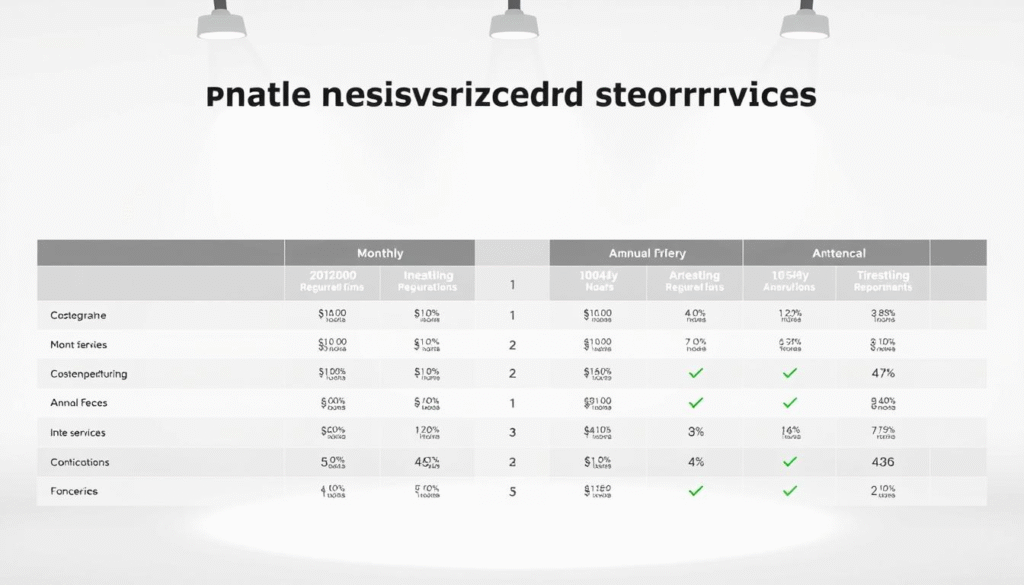
Basic features include registered agent services, compliance reminders, and document storage. Here’s a comparison of these features from top providers:
| Provider | Registered Agent Service | Compliance Reminders | Document Storage |
| Incfile | Yes | Yes | Yes |
| ZenBusiness | Yes | Yes | Yes |
| Northwest Registered Agent | Yes | Yes | Yes |
Premium Features Worth Paying For
Premium features include services like expedited filing, registered office services, and compliance support. Businesses should weigh whether these premium features justify the additional cost based on their specific needs.
Local vs. National Registered Agent Services: Price Differences
Businesses must consider the pros and cons of local versus national registered agent services. The choice hinges on several factors, including the need for personalized service and the scope of operations. Each option has its own cost implications.
Benefits of Local Registered Agents
Local registered agents offer a personalized touch, understanding state-specific regulations deeply. They provide direct, face-to-face interaction, which is valuable for businesses valuing local presence. This approach is beneficial for companies with unique needs or those requiring more hands-on support.
Benefits of National Registered Agents
National registered agent services, by contrast, offer broader coverage and handle multi-state filings efficiently. They possess extensive resources, providing a more extensive suite of services. Ideal for businesses operating across multiple states, they simplify compliance by consolidating services.
Making the Right Choice for Your Budget
When choosing between local and national registered agent services, businesses should evaluate their needs, operation complexity, and budget. By considering these factors, companies can make an informed decision. This ensures a balance between cost and the level of service required.
How to Evaluate if a Registered Agent Service Is Worth the Cost
To assess if a registered agent service is worth the investment, companies must evaluate the services offered. A thorough analysis involves examining the key services provided, identifying any red flags, and reviewing the experiences of other clients.
Essential Services to Look For
A trustworthy registered agent service should offer a variety of critical services. These include:
- Receipt and processing of legal documents
- Compliance reminders and notifications
- Availability to receive documents during business hours
- Secure storage of sensitive business information
These services are vital for keeping a business in good standing with state authorities. They ensure timely receipt of important legal documents.
Red Flags and What to Avoid
When assessing a registered agent service, several red flags should be noted. These include:
- Poor customer service
- Hidden fees
- Lack of transparency regarding their services and processes
Recognizing these warning signs can help businesses steer clear of costly errors.
Reading Reviews and Testimonials
Reviews and testimonials from current clients offer valuable insights into a registered agent service’s reliability and quality. Seek feedback on their responsiveness, professionalism, and customer satisfaction.
Trial Periods and Guarantees
Some registered agent services provide trial periods or satisfaction guarantees. Utilizing these can offer a risk-free opportunity to evaluate their services before committing to a long-term agreement.
Cost Savings Strategies When Hiring a Registered Agent
Reducing registered agent fees is possible through service bundling, multi-state discounts, and contract negotiation. Businesses can cut their operational costs by adopting these strategies.
Multi-State Discounts
Many registered agent service providers offer discounts for businesses in multiple states. By leveraging these multi-state discounts, companies can save a lot on annual fees. For example, some national providers have tiered pricing that rewards businesses with lower rates as they expand.
Bundling with Other Business Services
Bundling registered agent services with other business services can save a lot of money. Providers often offer package deals that are cheaper than buying services separately. This not only cuts costs but also streamlines administrative tasks.
Long-Term Contracts vs. Annual Payments
Choosing long-term contracts can sometimes mean lower annual fees. But, businesses should carefully review the terms to avoid being locked into a contract that becomes a bad deal if their needs change.
Negotiating Better Rates
Negotiating with registered agent service providers can lead to better rates for larger businesses or those with multiple entities. It’s key to compare services and prices among different providers to get the best deal.
- Compare national and local registered agent services to find the best rates.
- Consider the total cost of service, including any additional fees.
- Review contract terms carefully before committing.
By using these cost-saving strategies, businesses can reduce their registered agent expenses and use their resources more efficiently.
Changing Your Registered Agent: Costs and Considerations
Switching a registered agent involves weighing various factors, including costs and timing. Businesses might change agents due to service dissatisfaction, evolving business needs, or other reasons. This decision requires careful thought.
Filing Fees for Changing Agents
The cost of changing a registered agent includes a filing fee, which varies by state. Fees range from $20 to $100. For example, California charges $30, while Texas is $25. It’s vital to check with your state’s Secretary of State for the exact fee.
| State | Filing Fee |
| California | $30 |
| Texas | $25 |
| New York | $50 |
Timing Considerations to Minimize Costs
Timing is key when changing registered agents to save money. Filing during off-peak times can avoid rush fees. Also, having all paperwork ready before filing can prevent delays or rejections.

Transition Process and Possible Pitfalls
The transition involves notifying the current agent, preparing and filing paperwork, and ensuring the new agent is registered. Common pitfalls include incomplete paperwork, missed deadlines, and not notifying the current agent. These can lead to extra costs and complications.
Understanding the costs and considerations of changing a registered agent helps businesses make informed decisions. This approach can help minimize expenses.
Conclusion
Understanding the cost of hiring a registered agent is key for businesses to make smart choices. The cost can change a lot based on several things. These include the type of business, state laws, and how many legal documents you need.
Key Considerations:
- The average cost ranges from $50 to $300 per year, depending on the service provider and the level of service required.
- Businesses should consider whether to opt for basic or premium service packages, taking into account additional fees for services like document forwarding.
- It’s important to weigh the benefits of local versus national registered agent services. Consider factors like multi-state discounts and bundling with other business services.
By carefully looking at these factors and understanding the costs, businesses can make a well-informed choice. This ensures they follow legal rules and have peace of mind. Knowing that important legal documents are being handled well is reassuring.
Sources
For more information on registered agent services and their costs, the following resources are available:
The National Association of Secretaries of State offers guidance on registered agent requirements by state. You can find this information on their official website at www.nass.org. The Inc.com article, “The Best Registered Agent Services,” provides insights into top service providers. It’s available at www.inc.com. For further information on business entity types and their implications, visit the IRS website at www.irs.gov.
These sources offer valuable information for businesses. They help understand the role of registered agents and the associated costs.
FAQ
What is the average cost of hiring a registered agent?
Hiring a registered agent can cost between $50 to $300 annually. This price varies based on the services offered and state regulations.
How much do registered agent services typically cost?
Basic registered agent services usually cost between $50 to $150 yearly. Premium services can range from $150 to $300 annually.
Are there any additional fees associated with hiring a registered agent?
Yes, extra fees may apply for tasks like filing documents, handling mail, or providing extra support.
Do registered agent costs vary by state?
Yes, costs can differ by state due to varying state requirements and regulations.
What factors influence the cost of hiring a registered agent?
Several factors affect the cost. These include the type of business, state-specific rules, and the number of legal documents.
Is it cheaper to act as my own registered agent?
Acting as your own agent might seem cheaper. Yet, it can lead to missed documents and non-compliance risks.
What are the benefits of hiring a professional registered agent service?
Professional services offer expertise, reliability, and ensure compliance with state laws.
Can I negotiate a better rate with a registered agent service?
Yes, negotiating a better rate is possible, often for long-term contracts or bundled services.
How much does it cost to change my registered agent?
Changing agents can cost differently, depending on state fees and the complexity of the process.
Are there any discounts available for multi-state businesses?
Yes, some services offer discounts for businesses operating in multiple states. It’s worth inquiring about these when choosing a provider.
What should I look for when evaluating a registered agent service?
Look for essential services like document handling, mail forwarding, and compliance support. Also, consider customer reviews and testimonials.